










what is a digital creator is a common question because the term now appears everywhere: Instagram bios, TikTok profiles, YouTube channels, LinkedIn pages, brand campaigns, and creator economy reports. A digital creator is someone who makes original content for online platforms. That content can include videos, photos, articles, podcasts, newsletters, tutorials, designs, livestreams, digital products, or social media posts.

A digital creator does not only “post online.” The role is more intentional than that. Digital creators build an audience by creating useful, entertaining, educational, inspiring, or visually interesting content. Some do it as a hobby. Others turn it into a full-time business through brand deals, ads, subscriptions, affiliate income, digital products, services, or community memberships.
What Is a Digital Creator?
A digital creator is a person who creates and shares content online for a specific audience. The content may live on platforms like YouTube, TikTok, Instagram, LinkedIn, X, Facebook, Twitch, Substack, blogs, podcasts, or personal websites.
A digital creator can focus on almost any topic:
- Fitness
- Fashion
- Finance
- Food
- Travel
- Gaming
- Parenting
- Tech
- Beauty
- Education
- Business
- Art
- Lifestyle
- Comedy
- Productivity
- Home design
- Personal development
The main point is simple: a digital creator uses digital content to communicate ideas, build trust, and connect with an audience.
What Does a Digital Creator Do?
A digital creator makes online content for an audience. They plan ideas, create posts or videos, edit content, publish consistently, engage with followers, study performance, and often work with brands or sell their own products and services.
Some digital creators focus on entertainment. Some teach. Some review products. Some share personal stories. Some build professional authority. Some use content to grow a business.
A digital creator may create:
- Short videos
- YouTube videos
- Instagram reels
- TikTok posts
- Blog articles
- Podcasts
- Email newsletters
- Photography
- Digital art
- Online courses
- Tutorials
- Livestreams
- Product reviews
- Community content
The job changes depending on the platform, niche, and business model.
Key Takeaways
- A digital creator makes original online content for a specific audience.
- Digital creators are not limited to influencers.
- Some creators focus on education, entertainment, storytelling, reviews, art, or personal branding.
- A creator can earn money through ads, brand deals, affiliate links, subscriptions, services, courses, templates, or products.
- The best creators usually understand their audience deeply.
- Consistency matters more than posting randomly.
- Good digital creators combine creativity, communication, editing, strategy, and analytics.
- You do not need millions of followers to become a successful digital creator.
Related Contents:
Best ways to support local businesses
Digital Creator vs Influencer
People often use “digital creator” and “influencer” as if they mean the same thing. They overlap, but they are not identical.
A digital creator focuses on making content. An influencer focuses on influencing audience behavior, often around buying decisions, lifestyle choices, or brand perception.
| Role | Main Focus | Example |
| Digital creator | Creating content | A YouTuber making tech tutorials |
| Influencer | Shaping audience decisions | An Instagram personality promoting fashion brands |
| Content creator | Broad content production | A writer, video editor, podcaster, or designer |
| Creator entrepreneur | Content plus business | A creator selling courses, templates, or memberships |
A digital creator can become an influencer if their audience trusts their recommendations. But not every creator wants to promote products or build a lifestyle brand.
Digital Creator vs Content Creator
A content creator is anyone who creates content. A digital creator is usually a content creator who publishes mainly online.
For example:
- A photographer creating images for a magazine is a content creator.
- A photographer posting visual stories on Instagram and selling presets online is a digital creator.
- A teacher making classroom materials is a content creator.
- A teacher publishing YouTube lessons and a paid newsletter is a digital creator.
The difference is not always strict. In everyday use, the terms often overlap.
What Types of Content Do Digital Creators Make?
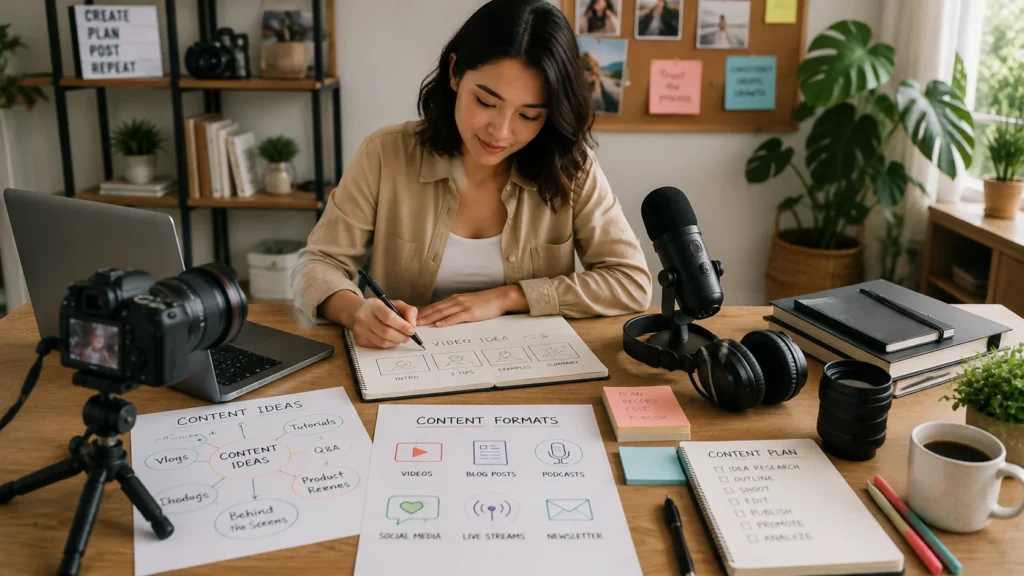
Digital creators can work in many formats. Most start with one or two formats before expanding.
Video Content
Video is one of the most popular creator formats. It works well for tutorials, reviews, storytelling, education, entertainment, reactions, and behind-the-scenes content.
Examples include:
- YouTube tutorials
- TikTok videos
- Instagram Reels
- Product reviews
- Educational explainers
- Vlogs
- Livestreams
- Short documentaries
Video often builds stronger audience connection because people can see and hear the creator.
Written Content
Writing still matters. Many digital creators build authority through articles, newsletters, LinkedIn posts, scripts, guides, or long-form essays.
Written content works well for:
- Business advice
- SEO traffic
- Personal essays
- Product comparisons
- Tutorials
- Industry analysis
- Newsletters
- Thought leadership
A strong writer can build a valuable audience without being on camera.
Audio Content
Podcasting and audio content are useful for creators who want deeper conversations. Audio is strong for interviews, storytelling, education, commentary, and niche expertise.
Audio content can include:
- Podcasts
- Voice notes
- Audio essays
- Guided lessons
- Live audio discussions
Audio often creates loyal audiences because people listen during commutes, workouts, or daily routines.
Visual Content
Visual creators use design, photography, illustration, motion graphics, or digital art to communicate.
Examples include:
- Digital illustrations
- Photography series
- Infographics
- Memes
- Brand design breakdowns
- Visual tutorials
- 3D art
- Animation
Visual creators can earn through commissions, prints, templates, licensing, brand work, or digital products.
Examples of Digital Creators
A digital creator can look very different depending on the niche.
Examples:
- A fitness coach posting workout videos on Instagram
- A software developer teaching coding on YouTube
- A food creator sharing recipes on TikTok
- A personal finance writer publishing a newsletter
- A photographer selling editing presets
- A gamer livestreaming on Twitch
- A business consultant posting LinkedIn insights
- A teacher creating online study guides
- A designer selling templates
- A travel creator making destination guides
- A beauty creator reviewing skincare products
- A comedian posting short sketches
The format changes, but the core idea stays the same: create content that gives an audience a reason to return.
What Skills Does a Digital Creator Need?
A digital creator does not need to master everything at once. But the strongest creators usually develop a mix of creative, technical, and business skills.
Important skills include:
- Writing
- Storytelling
- Video recording
- Editing
- Photography
- Audio recording
- Design
- Research
- SEO
- Social media strategy
- Audience understanding
- Community management
- Analytics
- Branding
- Sales
- Negotiation
- Time management
Beginners should not get overwhelmed. Start with the skills needed for your main platform. A YouTube creator needs video and scripting skills. A newsletter creator needs writing and audience research. A TikTok creator needs hooks, pacing, editing, and trend awareness.
How Digital Creators Make Money
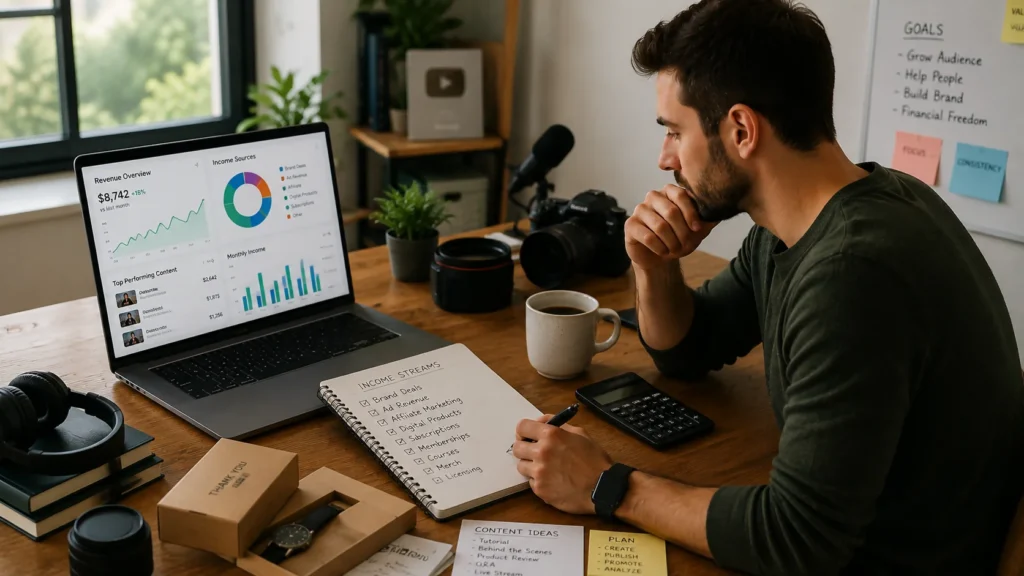
Digital creators can make money in many ways. Some earn a little side income. Others build serious businesses.
Common income streams include:
| Income Stream | How It Works |
| Brand deals | Companies pay creators to promote or feature products |
| Affiliate marketing | Creator earns commission when someone buys through a link |
| Ad revenue | Platforms share advertising income |
| Subscriptions | Audience pays for premium content |
| Digital products | Creator sells templates, ebooks, presets, or courses |
| Services | Creator sells consulting, coaching, design, writing, or editing |
| Merch | Creator sells branded products |
| Community memberships | Audience pays to join private groups |
| Speaking | Creator gets paid for events, webinars, or workshops |
| Licensing | Creator licenses photos, music, designs, or video clips |
The best creator businesses usually do not rely on only one income stream.
Is a Digital Creator a Real Job?
Yes, being a digital creator can be a real job. But it does not always start as one. Many creators begin part-time while learning their niche, platform, audience, and content style.
A full-time digital creator may spend time on:
- Researching ideas
- Planning content calendars
- Recording videos
- Editing
- Writing captions
- Responding to comments
- Negotiating brand deals
- Creating products
- Managing email lists
- Tracking analytics
- Updating websites
- Sending invoices
- Studying trends
- Building community
From the outside, it may look like posting. Behind the scenes, it can involve production, marketing, sales, customer support, and business operations.
How to Become a Digital Creator
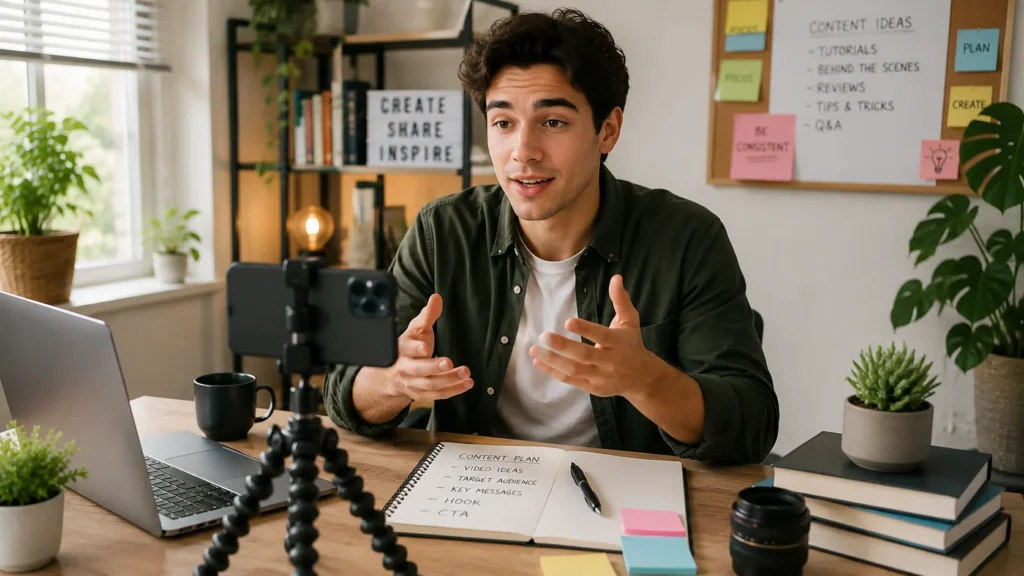
You do not need permission to become a digital creator. You need a clear topic, a platform, a content format, and consistency.
1. Choose a Niche
A niche helps people understand why they should follow you. It does not have to be extremely narrow, but it should be clear.
Good niche examples:
- Budget travel for students
- Simple fitness for busy parents
- AI tools for small businesses
- Healthy meals for beginners
- Personal finance for freelancers
- Coding tutorials for new developers
- Skincare for sensitive skin
- Productivity for remote workers
A focused niche makes content easier to plan and easier for an audience to trust.
2. Understand Your Audience
Before creating random posts, think about who you want to help or entertain.
Ask:
- Who is this content for?
- What do they struggle with?
- What do they already watch or read?
- What questions do they ask?
- What do they find confusing?
- What makes them laugh?
- What do they want to improve?
- What would make them save or share your content?
Great creators are not only creative. They are observant.
3. Pick the Right Platform
Do not start everywhere at once. Choose one primary platform.
Good options:
- YouTube for long-form video
- TikTok for short-form discovery
- Instagram for lifestyle, visual, and community content
- LinkedIn for business and professional content
- Substack for newsletters
- A blog for SEO and long-form articles
- Twitch for livestreaming
- Podcasts for audio conversations
Choose the platform where your audience already spends time and where your content format fits naturally.
4. Create a Simple Content System
Consistency becomes easier when you have a system.
A simple weekly system might look like:
- Monday: research ideas
- Tuesday: write scripts or outlines
- Wednesday: record content
- Thursday: edit
- Friday: publish
- Weekend: review analytics and comments
You do not need to post every day. You need a rhythm you can actually maintain.
5. Improve One Thing at a Time
Do not try to perfect everything at once.
Improve in stages:
- Better hooks
- Clearer titles
- Stronger lighting
- Cleaner audio
- More useful examples
- Better editing
- Stronger captions
- More specific audience targeting
- Better calls to action
Small improvements compound over time.
Digital Creator Tools
Tools help, but they do not replace clear ideas.
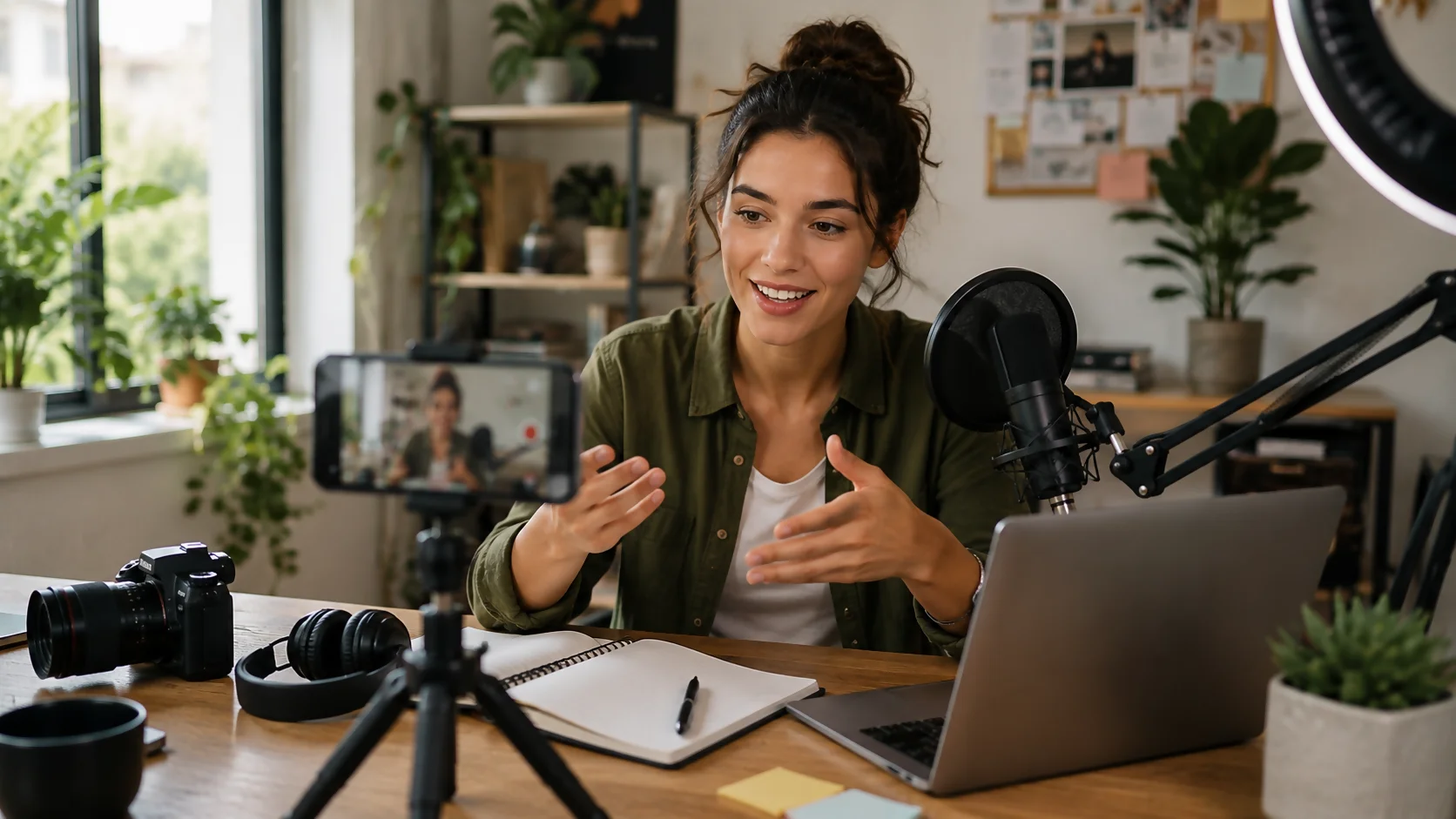
Useful tools may include:
- Smartphone camera
- Ring light or natural window light
- Microphone
- Tripod
- Editing software
- Canva or design tools
- Notes app
- Content calendar
- Analytics dashboard
- Email newsletter platform
- Website builder
- Link-in-bio page
- Payment platform
- Cloud storage
A beginner can start with a phone, natural light, and free editing tools. Do not spend heavily before you know your content direction.
Digital Creator on Instagram
On Instagram, a digital creator often creates Reels, carousels, Stories, photos, and educational posts. Instagram works well for creators who use visuals, personality, lifestyle, or quick teaching.
Instagram creator content may include:
- Reels
- Behind-the-scenes clips
- Photo posts
- Carousels
- Stories
- Live sessions
- Product reviews
- Tutorials
- Community polls
- Personal updates
Instagram rewards clarity, visual appeal, consistency, and audience interaction.
Digital Creator on TikTok
TikTok is strong for discovery. A creator can reach new audiences quickly if the content has a strong hook and clear payoff.
TikTok works well for:
- Short tutorials
- Quick opinions
- Storytelling
- Comedy
- Product demos
- Trend-based content
- Before-and-after content
- Educational explainers
A TikTok creator needs to understand pacing. The first few seconds matter a lot.
Digital Creator on YouTube
YouTube is powerful for long-term content because videos can keep attracting views through search and recommendations.
YouTube works well for:
- Tutorials
- Reviews
- Deep explanations
- Vlogs
- Educational series
- Product comparisons
- Interviews
- Documentaries
- Commentary
YouTube usually takes more production effort, but it can build strong trust over time.
Digital Creator for Business Owners
Business owners can also be digital creators. In fact, content can help businesses build trust before a customer ever buys.
A business owner might create:
- How-to videos
- Case studies
- Customer education posts
- Product demos
- Behind-the-scenes content
- Industry advice
- Founder stories
- Comparison guides
- FAQ content
This kind of digital creator does not need to become internet famous. The goal is to attract the right customers.
Common Mistakes New Digital Creators Make
Trying to Copy Everyone
Learning from other creators is useful. Copying their voice, format, and personality usually feels weak. Use inspiration, but build your own angle.
Choosing Too Many Platforms
Posting everywhere can burn you out. Start with one main platform and repurpose later.
Posting Without a Clear Audience
Random content attracts random attention. Clear content attracts the right people.
Quitting Too Early
Most creators need time to learn what works. Early posts may not perform well. That is normal.
Ignoring Analytics
Analytics show what people actually respond to. Do not obsess over every number, but pay attention to patterns.
Making Content Only for Algorithms
Algorithms matter, but people matter more. Content should be useful or interesting to real humans first.
How to Grow as a Digital Creator
Growth usually comes from a mix of quality, consistency, audience understanding, and distribution.
Practical growth tips:
- Use clear titles and hooks.
- Focus on one audience.
- Answer real questions.
- Make content easy to understand.
- Study your best-performing posts.
- Repurpose strong ideas.
- Engage with comments.
- Collaborate with related creators.
- Build an email list when possible.
- Create repeatable content series.
- Improve your editing and storytelling.
- Stay consistent long enough to learn.
Growth is not always fast. But creators who keep improving have a better chance than creators who post randomly and quit.
Can Anyone Become a Digital Creator?
Yes, almost anyone can become a digital creator. You do not need to be famous, rich, young, or professionally trained. But you do need patience, consistency, and a reason for people to care.
You can start with:
- What you know
- What you are learning
- What you can teach
- What you can document
- What you can review
- What you can explain
- What you can make entertaining
- What problems you can solve
The best starting point is not “How do I go viral?” It is “What can I create that helps or interests a specific group of people?”
FAQs
What is a digital creator?
A digital creator is someone who makes and shares original content online. This can include videos, photos, articles, podcasts, newsletters, livestreams, digital art, tutorials, or social media posts.
What does a digital creator do?
A digital creator plans, creates, edits, publishes, and promotes online content. They may also engage with followers, work with brands, sell products, and track performance.
Is a digital creator the same as an influencer?
Not exactly. A digital creator focuses on making content. An influencer focuses on influencing audience opinions or buying decisions. Some people are both.
How do digital creators make money?
Digital creators make money through brand deals, ads, affiliate links, subscriptions, digital products, courses, services, memberships, merch, licensing, and speaking.
Do you need a lot of followers to be a digital creator?
No. You can be a digital creator with a small audience. A focused and engaged audience can be more valuable than a large but uninterested one.
What platforms do digital creators use?
Digital creators use platforms such as YouTube, TikTok, Instagram, LinkedIn, Twitch, blogs, podcasts, newsletters, Facebook, X, and personal websites.
How do I start as a digital creator?
Choose a niche, understand your audience, pick one platform, create useful or interesting content consistently, study what works, and improve over time.
Is digital creator a good career?
It can be a good career for people who enjoy creating content, building an audience, learning platforms, and managing the business side. It takes time and is not guaranteed income at the start.
Conclusion
what is a digital creator comes down to one simple idea: a digital creator makes content for online audiences. But the role can grow into much more than posting. A digital creator can teach, entertain, build a community, influence buying decisions, sell products, support a business, or create an independent career.
The best digital creators do not only chase trends. They understand people. They create with purpose. They improve their skills. They build trust over time. If you want to become one, start small, choose a clear audience, publish consistently, and keep learning from real feedback.