












The best business ideas from home are usually the ones that match your skills, available time, budget, local rules, and customer demand. For beginners, practical options include freelance services, virtual assistant work, online tutoring, bookkeeping, content creation, digital products, handmade goods, local consulting, pet services, home bakery services where legal, and small e-commerce brands.

Before choosing any home business idea, validate demand with simple market research, calculate startup costs, check licenses or permits, separate business and personal finances, and avoid “guaranteed income” offers. The U.S. Small Business Administration recommends using market research and competitive analysis to confirm and improve a business idea before launch.
Key Takeaways
- A good home business is not just “profitable”; it should fit your skills, space, schedule, legal requirements, and risk tolerance.
- Service-based businesses are often easier to start from home because they usually need less inventory and equipment.
- Product-based home businesses can scale, but they often require more planning around storage, shipping, returns, insurance, and local rules.
- Some home businesses may need licenses, permits, zoning approval, insurance, or tax registration depending on your location and activity.
- Be cautious of coaching programs, “done-for-you” systems, and business opportunities that promise guaranteed income or large returns. The FTC warns that such claims can be signs of scams.
Related Contents:
Small Business Ideas For Women
Best Business Ideas From Home: Comparison Table
| Home Business Idea | Best For | Startup Complexity | Main Challenge | Simple Validation Step |
| Freelance writing | Strong writers | Low | Finding steady clients | Pitch 10 niche businesses |
| Virtual assistant | Organized beginners | Low | Standing out | Offer a 5-hour trial package |
| Online tutoring | Subject experts | Low–Medium | Trust and scheduling | Run a discounted first session |
| Bookkeeping | Detail-focused people | Medium | Accuracy and compliance | Offer setup help to one small business |
| Social media management | Content-savvy people | Low–Medium | Proving results | Audit a local business account |
| Web design | Creative/technical people | Medium | Portfolio quality | Build one demo site |
| Digital products | Creators and educators | Medium | Audience building | Pre-sell a template or guide |
| Handmade goods | Craft makers | Medium | Margins and fulfillment | Sell a small batch first |
| Home bakery | Skilled bakers | Medium–High | Food laws and permits | Check cottage food rules first |
| Pet services | Animal lovers | Medium | Trust and liability | Start with neighbors and referrals |
| Local consulting | Experienced professionals | Low–Medium | Credibility | Offer a paid strategy session |
| Content creation | Patient creators | Medium–High | Slow monetization | Publish consistently for 90 days |
21 Business Ideas From Home

1. Freelance Writing and Editing
Freelance writing is one of the most accessible home business ideas because you can start with a computer, internet connection, writing samples, and a clear niche. You can write blog posts, newsletters, website copy, product descriptions, case studies, resumes, or technical documents.
This business fits people who enjoy research, clear communication, deadlines, and revision. It may not fit people who dislike client feedback or inconsistent workloads.
How to start: Pick one niche, create three writing samples, define a simple package, and pitch businesses that already publish content.
Watch out for: Low-paying content mills, unclear revision terms, and clients who expect strategy work for basic writing rates.
2. Virtual Assistant Services
A virtual assistant helps business owners with scheduling, inbox management, customer support, data entry, research, travel planning, invoicing, or basic project coordination. It can be a strong beginner-friendly home business because many clients need reliable help more than advanced technical skills.
Best fit: Organized people who communicate clearly and enjoy recurring tasks.
Simple offer: “Inbox and calendar support for busy consultants — 5 hours per week.”
Growth path: Specialize in real estate, coaching, podcast production, e-commerce support, or executive assistance.
3. Online Tutoring or Test Prep
Online tutoring can work well if you have strong knowledge in a school subject, language, exam category, music skill, software tool, or professional topic. You can teach students one-on-one, in small groups, or through recorded lessons.
Best fit: Patient communicators who can explain ideas clearly.
Important limitation: Requirements may vary if you tutor children, teach regulated subjects, or operate through certain platforms. Check local rules and platform policies before advertising.
4. Bookkeeping Services
Bookkeeping is a practical home business for people who are detail-oriented, comfortable with numbers, and willing to learn accounting software. Many small businesses need help organizing transactions, reconciling accounts, preparing reports, and staying ready for tax season.
This is not the same as being a CPA or tax advisor. Be clear about what you do and do not provide.
Best fit: People with finance, admin, operations, or small business experience.
Trust builder: Certifications, software training, professional templates, and clear service boundaries.
5. Social Media Management
Small businesses often need help planning content, posting consistently, replying to comments, and understanding basic performance metrics. A home-based social media business can serve local companies, creators, restaurants, service providers, or niche e-commerce brands.
Best fit: People who understand content, branding, and consistency.
Simple validation: Create a mini audit for a local business and show three practical improvements.
Avoid: Promising viral growth or guaranteed sales. Social performance depends on audience, offer, budget, platform changes, creative quality, and consistency.
6. Web Design for Small Businesses
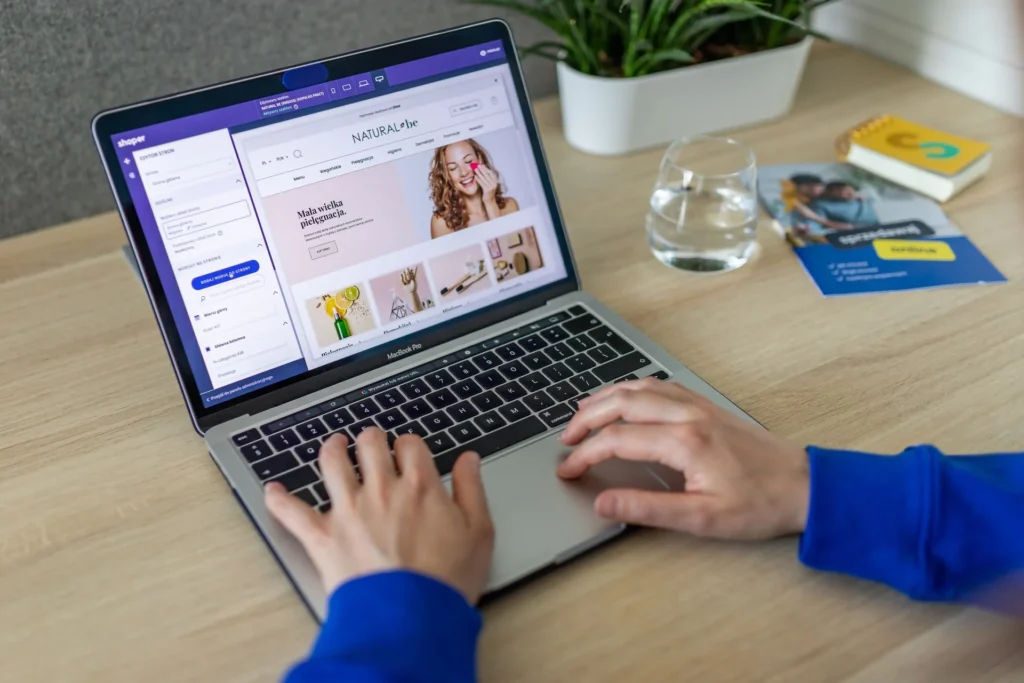
If you can build clean, mobile-friendly websites, web design can become a strong home business. Many local businesses need simple websites that explain services, build trust, and make it easy to call, book, or request a quote.
Best fit: Designers, developers, marketers, and tech-comfortable beginners.
Starter niche ideas: Therapists, tradespeople, consultants, salons, restaurants, home service providers, and coaches.
Helpful add-on: For local service businesses, a Google Business Profile can help companies appear on Google Search and Maps, and Google states that creating a Business Profile is free.
7. Digital Product Creation
Digital products include templates, planners, spreadsheets, design assets, Notion dashboards, worksheets, mini-courses, checklists, and downloadable guides. This business can be attractive because you create the product once and can sell it repeatedly, but it still requires audience building, customer support, updates, and marketing.
Best fit: People who can solve a specific problem with a repeatable resource.
Good first product: A simple template that saves time for a clearly defined audience.
Avoid: Creating a large course before proving that people want the smaller version.
8. Print-on-Demand Products
Print-on-demand lets you sell designs on items such as shirts, mugs, tote bags, journals, or posters without holding inventory. A supplier produces and ships the item when someone orders.
Best fit: Designers, niche community builders, and people who understand trends.
Main challenge: Many markets are crowded. Generic designs rarely stand out.
Validation step: Test a small collection around one niche audience before building a large store.
9. Handmade Goods
Handmade products can include candles, ceramics, jewelry, soaps, art, stationery, knitted items, home décor, or personalized gifts. This business works best when the product has a clear style, strong photography, reliable production process, and healthy margins.
Best fit: Makers who enjoy both production and customer service.
Key question: After materials, packaging, platform fees, shipping, returns, and your time, is the product still profitable?
10. Home Bakery or Cottage Food Business
A home bakery can be a good business idea if you already bake well and there is local demand for cakes, cookies, breads, pastries, or specialty desserts. However, food businesses often have stricter rules than digital or service-based businesses.
Best fit: Skilled bakers with clean processes, reliable recipes, and strong local networks.
Important limitation: Cottage food laws, kitchen requirements, labeling rules, permits, delivery rules, and allowed products vary by location. Do not launch before checking your local health department or government rules.
11. Meal Prep or Specialty Food Services
Meal prep, family dinners, allergy-conscious menus, cultural foods, and specialty diet support can work in some areas, but this category may involve food safety, licensing, insurance, labeling, and delivery requirements.
Best fit: Experienced cooks who understand safe food handling and local regulations.
Safer first step: Research local rules, then test demand with a legal, small-scale offer such as recipe planning, cooking classes, or approved packaged items.
12. Online Coaching or Consulting
Consulting can be run from home if you have credible experience in a specific area such as marketing, operations, HR, fitness, career planning, productivity, sales, leadership, or software implementation.
Best fit: People with real experience, case examples, and a clear problem they can solve.
Trust builder: Clear scope, honest limitations, testimonials from real clients, and no exaggerated income or transformation claims.
Avoid: Claims like “guaranteed six figures,” “instant success,” or “proven system for everyone.”
13. Local Business Consulting
If you understand marketing, operations, hiring, customer service, or systems, you can help local businesses improve specific parts of their operation. This can be done mostly from home, with occasional on-site visits or video calls.
Best fit: Former managers, marketers, operators, accountants, salespeople, or business owners.
Simple offer: “One-hour local marketing audit with a 30-day action plan.”
14. Resume Writing and Career Services
Resume writing, LinkedIn profile improvement, interview preparation, and career documents can be offered from home. This idea fits people who understand hiring, communication, and professional positioning.
Best fit: HR professionals, recruiters, managers, writers, and career coaches.
Risk note: Do not guarantee job offers, interviews, salary increases, or immigration outcomes. Hiring depends on many factors outside your control.
15. Pet Sitting, Dog Walking, or Pet Care Coordination
Pet services can start from home if you manage bookings, client communication, and local visits. Depending on your model, services may include pet sitting, dog walking, drop-in visits, pet taxi service, or care coordination.
Best fit: Responsible animal lovers with flexible schedules.
Important considerations: Insurance, emergency procedures, local rules, client trust, and animal safety.
16. Childcare Support or Educational Activities
Some people consider home-based childcare, after-school support, or educational activity sessions. This can meet real local demand, but it is also one of the more regulated home business ideas.
Best fit: People with childcare experience, patience, and a safe home environment.
Important limitation: Licensing, background checks, insurance, capacity limits, safety standards, and local inspection rules may apply.
17. Photography Editing or Photo Organization
You do not always need a studio to build a photography-related business. From home, you can offer photo editing, retouching, album design, photo organization, image backup systems, or editing support for photographers.
Best fit: Detail-oriented creatives with editing software skills.
Simple niche: Wedding photographer editing support, family photo organization, or product photo cleanup for small shops.
18. Podcast or Video Editing
Creators, consultants, and small businesses often need help editing podcasts, short videos, webinars, and social clips. This business can be run from a home computer with editing software, file-sharing tools, and a reliable workflow.
Best fit: People who enjoy media, storytelling, and technical editing.
Starter package: “Edit one weekly podcast episode and create three short clips.”
19. Affiliate Content Site or Niche Blog
A niche blog can become a home business through affiliate commissions, ads, digital products, sponsored content, email newsletters, or consulting. However, it usually takes time, consistent publishing, and strong editorial standards.
Best fit: Patient researchers and writers who can build topical authority.
Risk note: Search rankings, affiliate rates, ad revenue, and platform rules can change. Do not rely on a niche site for quick income.
20. Online Community or Membership
A paid community can work when people want ongoing support, accountability, templates, expert access, or peer discussion. Examples include communities for freelancers, language learners, parents, founders, hobbyists, fitness goals, or professional development.
Best fit: People who can facilitate conversation and deliver ongoing value.
Validation step: Start with a small paid cohort before building a full membership platform.

21. Home-Based E-Commerce Store
A home-based e-commerce business can sell physical products, curated bundles, niche supplies, personalized items, or private-label goods. It can be rewarding, but it is more operationally complex than many service businesses.
Best fit: People who enjoy product research, sourcing, customer service, packaging, inventory, and marketing.
Main risks: Unsold inventory, returns, supplier issues, shipping costs, cash flow, product safety, platform fees, and changing ad costs.
How to Choose the Right Home Business Idea
Start With Your Constraints
Before asking “What is the most profitable home business?” ask:
- How many hours per week can I realistically commit?
- Do I need income quickly, or can I build slowly?
- Do I have a quiet workspace?
- Can clients visit my home, or should everything be remote?
- Do I have storage space for inventory?
- How much can I afford to lose while testing?
- Which skills do I already have?
A business that fits your real life is more likely to survive than an exciting idea that depends on time, money, or energy you do not have.
Match the Business Model to Your Goal
| Goal | Better Fit | Why |
| Start quickly | Freelancing, virtual assistant work, tutoring | Sell existing skills with low setup |
| Build scalable assets | Digital products, templates, niche content | Can grow beyond hourly work |
| Serve local demand | Pet care, home bakery, local consulting | Uses local trust and referrals |
| Use creative skills | Handmade goods, design, editing, content | Turns creative output into offers |
| Build recurring revenue | Bookkeeping, social media management, memberships | Can create monthly income streams |
Validate Before You Invest Heavily
Validation does not need to be complicated. You can:
- Interview 5–10 potential customers.
- Review competitors and pricing.
- Create a one-page offer.
- Run a small paid test.
- Pre-sell a service, template, class, or product batch.
- Track actual interest, not just compliments.
The SBA recommends understanding demand, market size, location, saturation, and pricing when researching a market.
Practical Next Steps to Start a Business From Home
Step 1: Pick One Narrow Offer
Avoid starting with “I do everything.” A narrow offer is easier to explain, price, and sell.
Instead of: “I offer marketing services.”
Try: “I create weekly email newsletters for independent fitness studios.”

Step 2: Calculate Startup Costs
Even home businesses have costs. These may include equipment, software, supplies, licenses, insurance, website setup, payment processing, marketing, professional advice, or inventory. The SBA recommends calculating startup costs before launch to estimate funding needs and understand when the business may become profitable.
Step 3: Check Licenses, Permits, and Zoning
License and permit requirements vary by business activity, location, and government rules. Some businesses may also need state, county, city, professional, food, childcare, sales tax, or zoning approvals.
This is especially important for food, childcare, beauty, health, finance, legal, construction, alcohol, transportation, and businesses where customers visit your home.
Step 4: Separate Business and Personal Finances
Once you start accepting or spending money as a business, a separate business bank account can help with recordkeeping, professionalism, payment processing, and liability separation. SBA guidance recommends opening a business account when you are ready to accept or spend money as your business.
Step 5: Create a Simple Online Presence
At minimum, consider:
- A simple website or landing page
- A professional email address
- A portfolio or sample page
- A booking or inquiry form
- A basic business profile for local services
- Clear pricing or “starting at” packages when appropriate
Step 6: Get Your First Customers Manually
Do not wait for algorithms. Start with direct outreach, referrals, local networking, marketplace listings, community groups, past colleagues, and small partnerships.
Early customers teach you what people actually want, what they will pay for, and what objections you need to answer.
Risks and Limitations of Starting a Business From Home
Income Can Be Unpredictable
Home businesses can start slowly. Revenue depends on your offer, market demand, pricing, trust, competition, sales ability, platform rules, and consistency. Avoid making financial decisions based on best-case scenarios.
Your Home May Not Be Suitable for Every Business
Some activities may create noise, parking issues, storage problems, safety concerns, or zoning conflicts. If customers visit your home, requirements may be stricter.
Tax Rules Can Be Complicated
In the U.S., qualifying taxpayers may be able to deduct certain business-use-of-home expenses, but rules such as regular and exclusive use can apply. The IRS also describes both regular and simplified methods for calculating eligible home office deductions.
Scams Target People Who Want to Work From Home
Be careful with business opportunities that require large upfront payments, pressure you to act immediately, promise guaranteed income, or claim anyone can make large returns with little effort. The FTC specifically warns that promises of guaranteed income, large returns, or a “proven system” can signal a scam.
Why This Guide Is More Useful Than a Basic List
A basic article may list dozens of home business ideas without helping you choose. This guide adds practical decision support:
- It separates service, product, local, creative, and scalable models.
- It explains who each idea fits and who should be cautious.
- It includes validation steps instead of assuming every idea works.
- It highlights permits, taxes, banking, scams, and operational risks.
- It avoids fake income claims and encourages source verification.
- It gives next steps for turning an idea into a small test before investing heavily.
FAQs
What is the easiest business to start from home?
The easiest business to start from home is usually a service that uses skills you already have. Freelance writing, virtual assistant work, tutoring, resume writing, basic design, and social media support can often be started with low upfront costs. The easiest option depends on your skills, time, confidence, and access to potential customers.
What business can I start from home with no money?
You may be able to start with very little money by offering services such as writing, editing, tutoring, virtual assistance, consulting, or community management. However, “no money” does not mean no cost. You may still need internet access, software, a professional email, transportation, licenses, or tax support depending on the business.
Do I need a license to run a business from home?
You might. Requirements vary based on your location and business activity. Some businesses need local licenses, sales tax registration, professional licenses, zoning approval, food permits, childcare licenses, or insurance. Check your city, county, state, and industry rules before launching.
Which home business is best for beginners?
For beginners, service-based businesses are often a practical starting point because they usually require less inventory and can be tested quickly. Virtual assistant services, freelance writing, tutoring, resume help, social media support, and basic consulting are common beginner-friendly options.
Are home businesses profitable?
Some home businesses can become profitable, but profitability is not guaranteed. It depends on pricing, demand, costs, competition, marketing, retention, and execution. Calculate startup costs, test demand, and track your numbers before scaling.
How do I validate a home business idea?
Start by identifying a specific customer and problem. Then talk to potential buyers, study competitors, create a simple offer, test a small paid version, and measure real demand. Compliments are not validation; payments, waitlists, repeat inquiries, and referrals are stronger signals.
What home business should I avoid?
Avoid businesses you do not understand, offers that require large upfront payments before validation, opportunities promising guaranteed income, and highly regulated activities you are not prepared to operate legally. Also avoid ideas that do not fit your schedule, space, budget, or risk tolerance.
Conclusion
The best business ideas from home are not the trendiest ideas. They are the ideas you can legally operate, clearly explain, afford to test, and improve based on real customer feedback.
Start small. Choose one narrow offer. Validate demand before investing heavily. Keep clean records, separate finances, check licenses, understand tax rules, and stay cautious around “guaranteed income” promises. A home business becomes more realistic when it is built around evidence, not hype.