










Yes, public utilities can be a good career path if you want stable infrastructure work, clear training routes, and roles connected to electricity, water, wastewater, gas, or grid reliability. The best fit depends on the job. Lineworkers, dispatchers, engineers, wastewater operators, customer service representatives, and compliance specialists can all work around utilities, but their pay, schedules, risk, and advancement paths are very different.

Public utilities is strongest for people who like practical systems, safety-focused work, and long-term career ladders. It is weaker for people who want remote-first flexibility, fast creative freedom, or high pay without training.
Is Public Utilities a Good Career Path?
Public utilities can be a strong career path if your priority is steady, useful work tied to infrastructure. The field includes skilled trades, plant operations, engineering, dispatch, customer service, compliance, and management roles.
The tradeoff is that many utility jobs come with rules, schedules, licenses, safety procedures, or public accountability. The best question is not only “Is public utilities a good career path?” It is “Which public utilities role fits my work style, risk tolerance, and training timeline?”
| Public utilities may be a good fit if… | It may not be a good fit if… |
| You want work connected to essential services. | You want fully remote or highly flexible work. |
| You like technical systems, infrastructure, or hands-on work. | You dislike strict safety rules or licensing requirements. |
| You are willing to build skills over time. | You expect high pay immediately with little training. |
| You can handle shifts, overtime, or emergency response if the role requires it. | You need a predictable 9-to-5 schedule. |
| You want a career with field, plant, office, and management options. | You want a highly creative or startup-style work environment. |
What Counts as Public Utilities?
The utilities sector includes establishments that provide electric power, natural gas, steam supply, water supply, and sewage removal. The U.S. Bureau of Labor Statistics classifies these activities under the Utilities sector, NAICS 22.
In career terms, public utilities may include municipal utilities, water authorities, sewer districts, public utility districts, electric cooperatives, investor-owned utilities, contractors, and vendors that support utility systems.
Electric Power Utilities
Electric power utilities include jobs connected to generation, transmission, distribution, substations, grid operations, outage response, metering, engineering, and planning.
Common roles include:
- Electrical power-line installer or repairer
- Substation technician
- Power distributor or dispatcher
- Electrical engineer
- Power plant operator
- Utility maintenance technician
- Grid planning analyst
This side of utilities can offer strong pay in skilled roles, but many jobs involve safety risk, technical training, storm response, or on-call work.
Water and Wastewater Utilities
Water and wastewater utilities operate treatment plants, distribution systems, pumps, pipes, testing systems, and sewer infrastructure. These roles are less visible than electric utility jobs, but they are central to public health.
Common roles include:
- Water treatment operator
- Wastewater treatment operator
- Utility maintenance worker
- Pump station technician
- Distribution system operator
- Laboratory technician
- Environmental compliance specialist
BLS says water and wastewater treatment plant and system operators typically need a high school diploma or equivalent, on-the-job training, and usually a state license.
Natural Gas and Steam Utilities
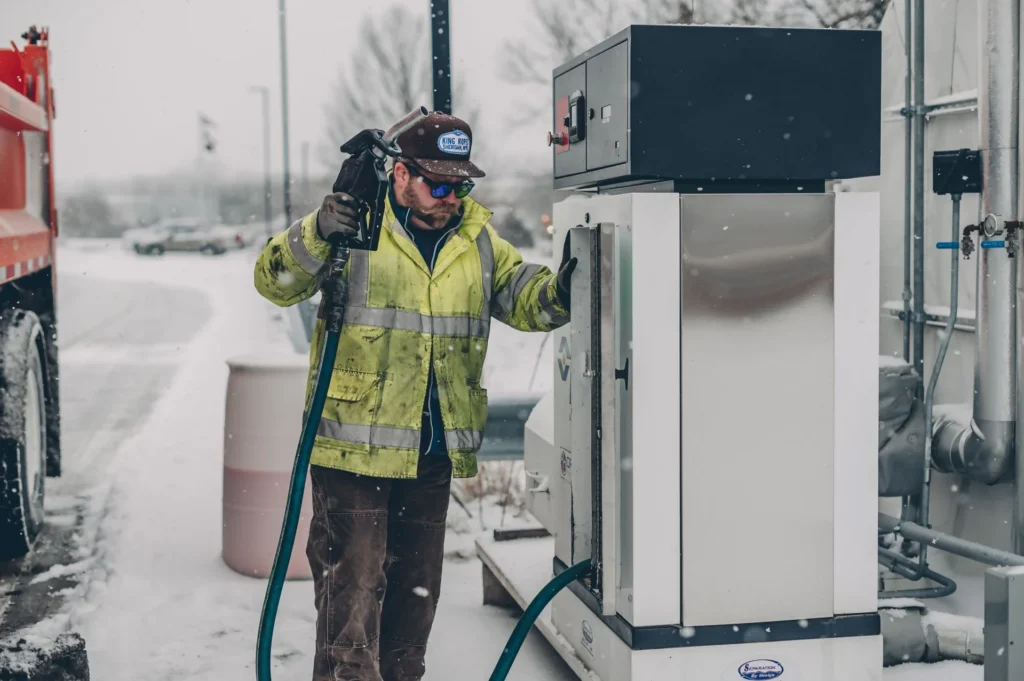
Natural gas and steam utility jobs can include field service, pipeline maintenance, leak response, safety inspections, metering, distribution operations, and customer service.
These jobs can be safety-sensitive because gas systems involve pressure, regulated infrastructure, emergency procedures, and work around homes or businesses.
Public Utility vs. Private Utility vs. Contractor
“Public utilities” can mean the service provided to the public, the regulated utility sector, or a public-sector employer. That distinction matters.
A city water department, investor-owned electric utility, electric cooperative, construction contractor, and engineering vendor may all touch public utility work, but they can offer different pay structures, benefits, schedules, promotion systems, and job security.
Public Utilities Career Fit Scorecard
Before choosing this field, compare your preferences against the reality of utility work.
| Factor | Strong fit if… | Red flag if… |
| Work style | You like practical systems, equipment, infrastructure, or public service. | You want abstract, creative, or low-structure work. |
| Schedule | You can handle shifts, overtime, or emergency callouts if needed. | You need predictable weekdays only. |
| Training | You are willing to complete apprenticeships, licenses, certifications, or employer training. | You want a role with no formal learning curve. |
| Risk | You respect safety rules and procedures. | You dislike strict operating standards. |
| Advancement | You can build seniority and technical depth over time. | You expect rapid promotion without credentials or experience. |
| Work setting | You are open to field, plant, control-room, office, or hybrid utility environments. | You only want remote work. |
| Accountability | You are comfortable doing work that affects households, businesses, and communities. | You do not want public-facing pressure. |
A practical way to judge this career path is to ask: Do I want the stability and usefulness of infrastructure work enough to accept the rules, training, and schedule tradeoffs that often come with it?
Public Utilities Salary Reality Check
Public utilities jobs can pay well, but the industry label alone does not tell you much. Pay depends on the occupation, location, employer type, union status, overtime, license level, shift schedule, and safety risk.
A lineworker, dispatcher, electrical engineer, wastewater operator, customer service representative, and compliance analyst may all work around public utilities, but they are not on the same salary track. The best-paying paths usually require one or more of these: technical training, physical risk, licensing, engineering education, shift responsibility, or responsibility for critical systems.
For this reason, salary data should be read as a starting point, not a promise. National BLS medians are useful for comparing occupations, but local job postings are better for deciding whether a specific public utility job is worth pursuing in your city or state.

Salary Data Methodology
This guide relies on official labor and energy sources where possible:
- BLS Occupational Outlook Handbook for national median pay, job outlook, training requirements, and work environment.
- BLS Occupational Employment and Wage Statistics for occupation and industry wage estimates.
- O*NET for job tasks and skill profiles.
- State licensing agencies for water, wastewater, and other regulated operator roles.
- Local utility job postings for current pay ranges, shift schedules, overtime rules, benefits, union status, and hiring requirements.
The most important salary question is not “Do public utilities jobs pay well?” It is “Which public utilities role fits my risk tolerance, training timeline, and local labor market?”
| Role or Track | Current Source Signal | What to Check Locally |
| Electrical power-line installer or repairer | BLS reports May 2024 median annual pay of $92,560 and 7% projected growth from 2024 to 2034. | Apprenticeship path, storm response, overtime, union status, safety requirements. |
| Power distributor or dispatcher | BLS reports May 2024 median annual pay of $107,240 for power distributors and dispatchers. | Shift rotation, control-room requirements, training pipeline, stress level. |
| Electrical engineer | BLS reports May 2024 median annual pay of $111,910 for electrical engineers. | Degree requirements, utility experience, PE license expectations, project type. |
| Water or wastewater operator | BLS reports May 2024 median annual pay of $58,260 and says state licensing is usually required. | State license levels, plant size, shift schedule, emergency callouts. |
| Utility operations manager | Pay varies by department size, responsibility level, and employer. | Whether the role manages crews, budgets, compliance, outages, or capital projects. |
| Compliance or regulatory specialist | Pay varies by occupation classification and utility specialty. | Required degree, regulatory experience, reporting workload, promotion path. |
Best Paying Jobs in Public Utilities
The best-paying public utilities jobs are usually not the easiest jobs to enter. Higher pay often comes from technical responsibility, physical risk, licenses, engineering education, overtime, leadership duties, or mission-critical operations.
| Role | Why It Can Pay Well | Main Tradeoff | Typical Entry Path |
| Electrical power-line installer or repairer | Skilled, hazardous, essential field work | Heights, storms, outdoor work, emergency response | High school diploma, technical training, apprenticeship |
| Power distributor or dispatcher | High-responsibility grid operations | Rotating shifts, pressure, system monitoring | On-the-job training, operations background |
| Electrical engineer | Design, planning, grid systems, technical problem-solving | Bachelor’s degree usually required | Engineering degree, internships, utility experience |
| Power plant operator | System operation and equipment monitoring | Shift work, automation pressure, safety rules | High school diploma, extensive training |
| Water or wastewater supervisor | Public-health infrastructure responsibility | Licensing, plant issues, emergency response | Operator path, license progression |
| Regulatory or compliance specialist | Rules, filings, reporting, risk control | Detail-heavy work, deadlines | Degree or utility experience varies |
Electrical Power-Line Installer or Repairer
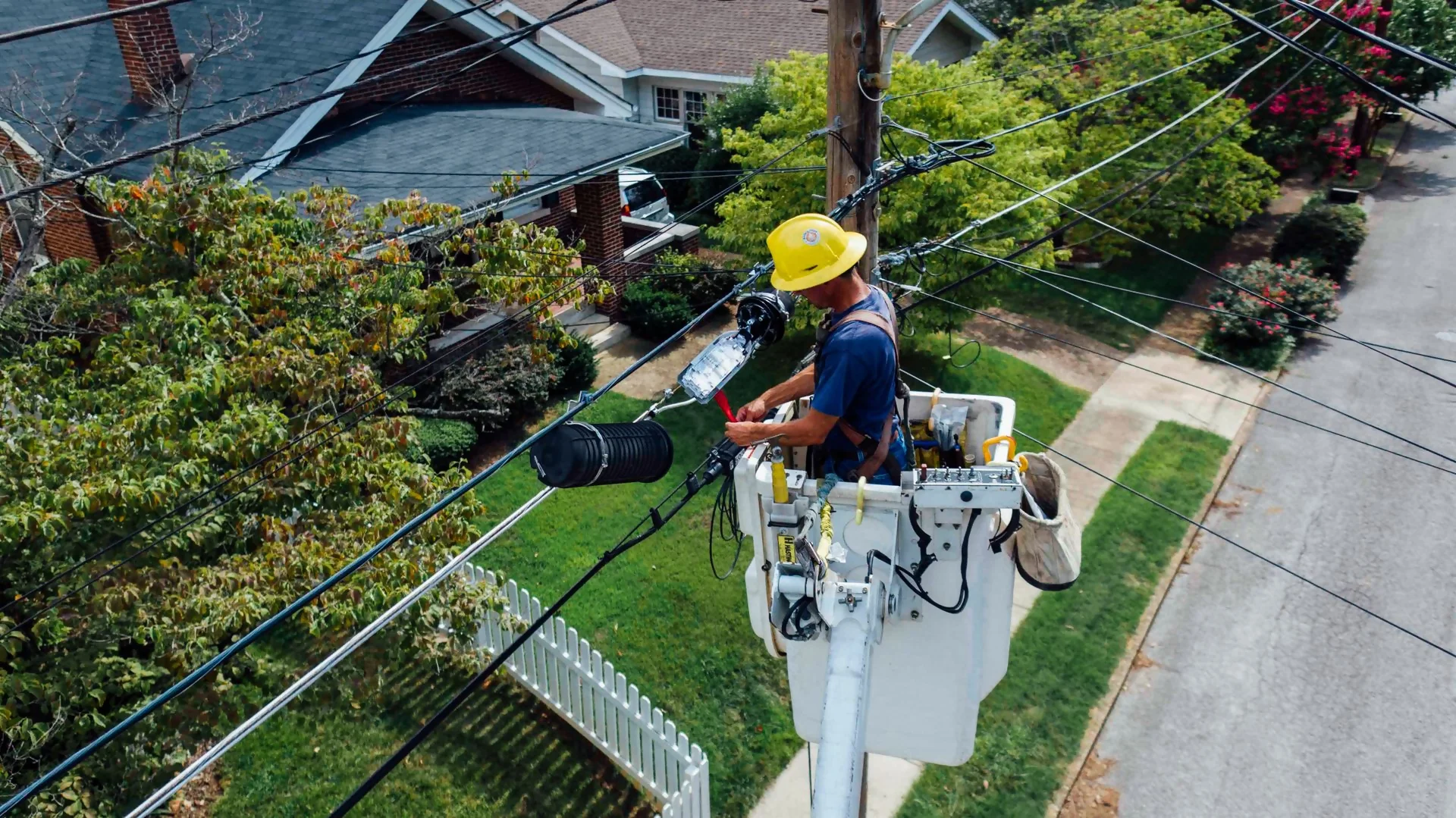
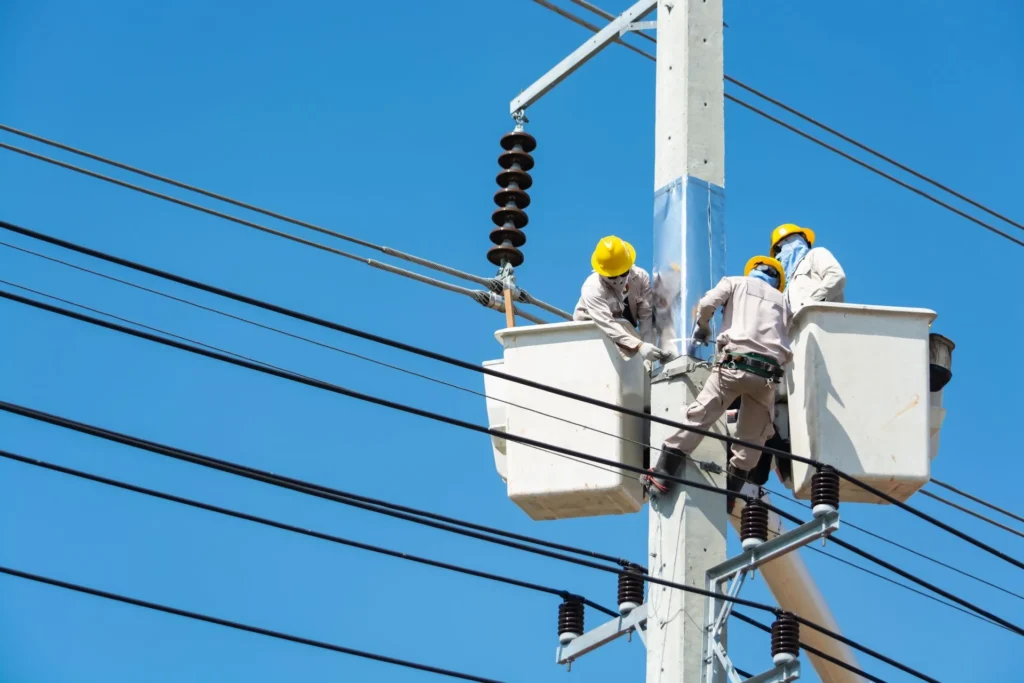
Electrical power-line installers and repairers are among the strongest public utilities career options for people who want hands-on technical work and strong pay potential. BLS reports that electrical power-line installers and repairers had median annual pay of $92,560 in May 2024, with projected employment growth of 7% from 2024 to 2034.
The tradeoff is serious. This work can involve heights, electrical hazards, outdoor conditions, storms, emergency schedules, and physically demanding tasks. It is best for people who want skilled trade work and can follow safety procedures closely.
Power Distributor or Dispatcher
Power distributors and dispatchers help coordinate electricity flow through the grid. O*NET describes this role as coordinating, regulating, or distributing electricity or steam, including operating equipment that regulates or distributes electricity or steam using data from instruments or computers.
This path can suit people who prefer control-room responsibility over field labor. The pressure can still be high because dispatch decisions affect service reliability.
Electrical Engineer
Electrical engineers can work on power generation, transmission, distribution, equipment, grid modernization, control systems, and infrastructure planning. This is one of the best public utilities paths for readers who prefer technical problem-solving and design work.
BLS reports May 2024 median annual pay of $111,910 for electrical engineers.
The main barrier is education. Electrical engineering roles usually require a relevant bachelor’s degree, and some utility roles may prefer internships, utility experience, or professional licensure depending on responsibility level.
Utility Operations Manager
Utility operations managers oversee people, equipment, budgets, safety, maintenance planning, outages, and compliance. This is usually not an entry-level role. It is more often a path for experienced utility workers, engineers, operators, or supervisors who understand how the system works.
The appeal is leverage. Instead of only completing tasks, you are responsible for crews, service reliability, safety procedures, customer impact, and operational decisions. The pressure is higher, but so is the leadership potential.
Water or Wastewater Treatment Supervisor
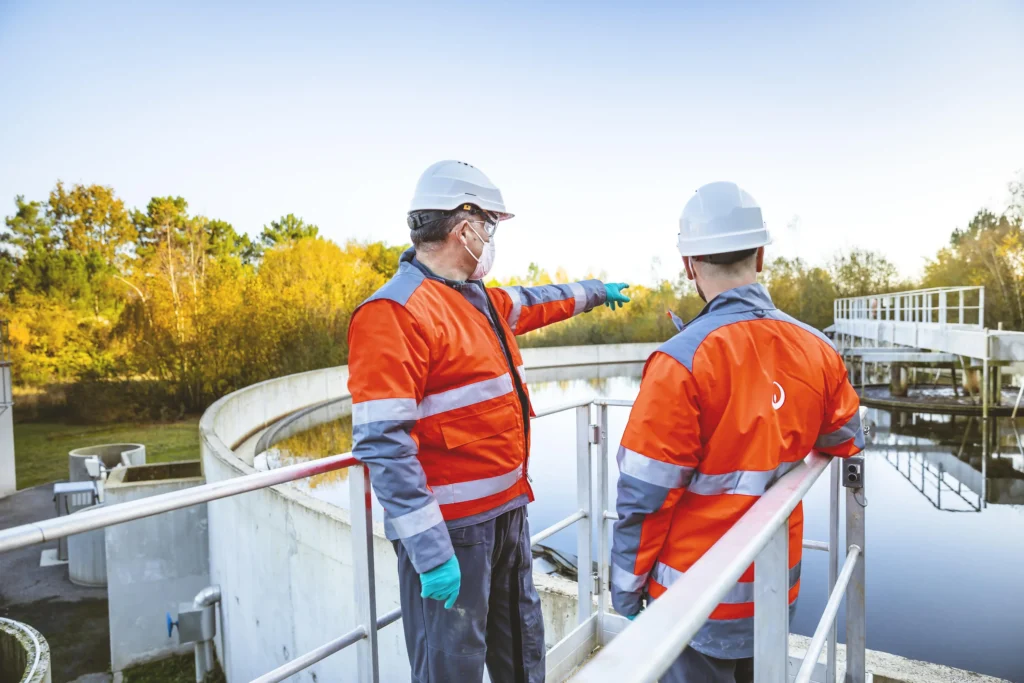
Water and wastewater work can be a solid path for people who like mechanical systems, public-health infrastructure, testing, regulations, and plant operations.
BLS reports May 2024 median annual pay of $58,260 for water and wastewater treatment plant and system operators. These workers usually need state licensing, and requirements vary by state and treatment plant.
This path is not always glamorous, but it can be meaningful. Advancement often depends on license level, plant size, employer structure, shift experience, and ability to handle operational problems calmly.
Regulatory or Compliance Specialist
Utilities operate in a regulated environment. That creates career paths for people who understand reporting, safety rules, environmental requirements, customer rules, documentation, audits, or government processes.
This is a better fit for detail-oriented readers who prefer office or hybrid professional work over fieldwork. It may also fit career changers with backgrounds in public administration, environmental science, accounting, law, business operations, or technical writing.
Entry-Level Public Utilities Jobs
You do not always need a four-year degree to start in public utilities. Some roles begin with a high school diploma or equivalent, employer training, apprenticeship selection, or trainee status.
That does not mean they are easy jobs. Many still require testing, licenses, physical ability, background checks, CDL requirements, rotating shifts, or safety training.
| Entry-Level Role | Best For | Degree Needed? | Training or Licensing Notes | Watch Out For |
| Utility trainee | Beginners who want field exposure | Often no four-year degree | Employer training varies | Physical work, weather |
| Lineworker apprentice | Hands-on technical workers | Usually no four-year degree | Apprenticeship or technical training common | Safety risk, heights, storms |
| Water/wastewater operator trainee | Detail-oriented operations workers | Varies | State licensing often matters | Shifts, exams, plant conditions |
| Meter reader or field service technician | Outdoor route-based workers | Often no degree | Employer training | Weather, dogs, customer interaction |
| Customer service representative | Office-based beginners | Usually no specialized degree | Utility billing systems | Complaints, service issues |
| Maintenance helper | Mechanical beginners | Usually no degree | Tools and safety training | Physical labor |
Best Entry-Level Roles Without a Four-Year Degree
For readers without a bachelor’s degree, realistic starting points may include trainee, apprentice, field service, meter, customer service, maintenance, or operator trainee roles.
Lineworker roles often use apprenticeship-style pathways. Water and wastewater roles may allow entry-level workers to train while working toward licensing. Customer service or billing roles can be a lower-risk entry point into the sector, especially for readers who want office experience before moving into operations, compliance, or supervision.
Entry-Level Roles That Can Lead to Higher Pay
The best entry-level job is not always the one with the highest starting wage. It is often the one that gives you a path toward a license, apprenticeship, technical skill, or internal promotion.
Examples:
- Lineworker apprentice to journeyman lineworker
- Operator trainee to licensed water or wastewater operator
- Meter reader to field service technician
- Maintenance helper to utility technician
- Customer service representative to billing supervisor
- Utility clerk to compliance or operations support
- Technician to crew lead or supervisor
Before paying for training, read real job postings from local utilities. Some employers prefer their own training pipeline, union apprenticeship process, civil service exam, or state-specific license path.
Read More:
Can You Start a Public Utilities Career Without a Degree?
Yes, some public utilities careers are possible without a four-year degree. Field, trainee, apprentice, maintenance, customer service, meter, and operator trainee roles may be accessible with a high school diploma or equivalent, depending on the employer and role.
However, “no degree” does not mean “no requirements.” A public utilities career without a degree may still require:
- Employer testing
- Drug screening or background checks
- A valid driver’s license or CDL
- Physical ability requirements
- Safety training
- State operator licensing
- Apprenticeship selection
- Shift availability
- Math or mechanical aptitude
- Willingness to work outdoors or in plants
Degree-free paths can be strong if they lead to a recognized skill. The better question is: Does this entry-level role lead to a license, apprenticeship, senior technician job, dispatcher role, or supervisor track?
Public Utilities Career Path: How Advancement Usually Works
Public utilities careers usually reward reliability, safety, technical skill, licensing, and time in the system. Fast promotion can happen, but many paths are structured.
| Stage | Typical Focus | Possible Roles | What Helps You Move Up |
| 0–1 year | Entry, safety, basic systems | Trainee, helper, customer service rep, apprentice | Reliability, safety habits, attendance, basic technical skills |
| 1–3 years | Skill development | Apprentice, operator trainee, field tech | Licenses, certifications, hands-on experience |
| 3–5 years | Specialization | Journeyman, licensed operator, dispatcher, senior tech | Advanced training, strong safety record |
| 5+ years | Leadership or technical depth | Supervisor, manager, engineer, analyst, planner | Leadership, compliance knowledge, system expertise |
Field Career Path
A field path may begin with utility trainee, maintenance helper, meter reader, field service technician, or apprentice lineworker roles. Over time, workers can move toward journey-level trade roles, crew leadership, safety training, outage response, or field supervision.
This path is best for people who like tools, equipment, driving, customer sites, outdoor work, and visible problem-solving.
Plant or Operations Career Path
Plant and operations careers include water treatment, wastewater treatment, power plant operations, system monitoring, dispatch, and control-room roles.
This path suits people who are comfortable watching systems, reading screens or gauges, following procedures, documenting issues, and responding calmly when something goes wrong. It may involve nights, weekends, and rotating shifts because many utility systems operate continuously.
Office, Compliance, and Management Career Path
Office and professional utility careers can include billing, customer service, finance, compliance, regulatory affairs, environmental reporting, project coordination, planning, engineering, HR, procurement, and management.
This path can work well for readers who want the utility-sector environment without the physical demands of fieldwork. The tradeoff is that some office roles may have lower starting pay unless they involve engineering, analytics, compliance, finance, or management responsibility.
Pros and Cons of Working in Public Utilities
Public utilities can be a strong career path, but only if the tradeoffs fit your life.
Pros of Public Utilities Careers
Useful work: Utility work supports households, businesses, hospitals, schools, and local governments.
Structured advancement: Many skilled roles have defined training paths through apprenticeships, licensing, seniority, or internal promotion.
Strong pay in some technical roles: Electrical linework, dispatch, engineering, and power operations can offer strong national median wages compared with many general occupations.
Role variety: The sector includes field, plant, office, engineering, compliance, customer service, and management jobs.
Long-term infrastructure relevance: Electricity, water, sewage, and gas systems require ongoing operation, maintenance, repair, planning, and modernization.
Cons of Public Utilities Careers
Shift work: Plants, dispatch centers, and emergency services may operate around the clock.
Safety risk: Linework, electrical systems, gas systems, confined spaces, chemicals, heights, and field maintenance can involve serious hazards.
Emergency callouts: Storms, outages, leaks, equipment failures, and public-service disruptions may require overtime or unusual hours.
Licensing and testing: Water, wastewater, electrical, safety, and specialized operator roles may require state, employer, or apprenticeship requirements.
Slow hiring in some public-sector roles: Municipal or public-sector utilities may use civil service rules, formal job classifications, eligibility lists, or internal bidding processes.
Customer pressure: Utility workers may deal with billing complaints, outages, shutoffs, service issues, or angry customers.
The Tradeoff Beginners Usually Overlook
The most secure utility roles often come with the most structure. Rules, procedures, documentation, testing, safety standards, and public accountability are not side details. They are part of the job.
That structure is a strength for people who like clear expectations. It is a weakness for people who want flexible, creative, or loosely managed work.
Public Utility Jobs vs. Private Utility Jobs
Choosing the employer type matters almost as much as choosing the occupation.
| Employer Type | Best For | Possible Advantages | Possible Tradeoffs |
| Public or municipal utility | Stability-focused workers | Public-service mission, local infrastructure, structured benefits | Slower hiring, civil service rules, less rapid promotion |
| Investor-owned utility | Corporate utility careers | Larger systems, more departments, possible internal mobility | Performance pressure, restructuring risk |
| Utility contractor | Field experience and project variety | Faster exposure, construction work, travel opportunities | Variable benefits, travel, less stability |
| Consulting or vendor firm | Technical specialists | Engineering, software, compliance, planning, project work | Client deadlines, less direct utility ownership |
When a Public Utility Job Makes More Sense
A public utility job may be a better fit if you value local service, defined job classifications, structured benefits, and long-term employment in one region.
The tradeoff is that hiring may be slower. Applications may involve civil service exams, background checks, union rules, internal bidding, or formal eligibility lists.
When a Private Utility or Contractor Role Makes More Sense
A private utility, contractor, or vendor role may be better if you want broader systems, project variety, faster movement, specialized technical work, or experience across multiple utility clients.
The tradeoff is that your schedule, benefits, travel, and job security may depend more heavily on contracts, business cycles, and company priorities.
Future Outlook for Public Utilities Careers
The future of public utilities is not one simple trend. Some roles are growing, some are declining, and many will continue to have openings because workers retire, transfer, or leave the occupation.
Electricity demand is one reason the sector remains important. The U.S. Energy Information Administration’s Annual Energy Outlook 2026 says U.S. electricity consumption has increased after about 15 years of nearly flat demand and projects continued growth through 2050, with data center server energy use as a major factor.
The Department of Energy’s 2025 U.S. Energy & Employment Report includes data on wages and employer benefits for energy-sector employment, which can help provide broader workforce context for utility-related careers.
Why Utilities Are Still Relevant
Public utilities remain relevant because modern life depends on electricity, water, wastewater, gas systems, grid reliability, storm response, and infrastructure maintenance.
Supporting trends include:
- Grid modernization
- Electrification
- Data center electricity demand
- Reliability and resilience planning
- Aging water infrastructure
- Environmental compliance
- Cybersecurity and control systems
- Storm recovery and emergency response
Utility Jobs With Stronger Supporting Signals
Some roles have stronger supporting signals because they connect to grid expansion, reliability needs, infrastructure maintenance, and technical modernization.
Potentially stronger paths include:
- Electrical power-line installers and repairers
- Substation and grid technicians
- Electrical engineers
- Utility project managers
- Dispatch and control-room workers
- Compliance and safety specialists
- Technicians with SCADA or control-system knowledge
BLS projects employment of electrical power-line installers and repairers to grow 7% from 2024 to 2034.
Utility Jobs With More Mixed Outlook
Not every utility role is growing. BLS projects employment of water and wastewater treatment plant and system operators to decline 7% from 2024 to 2034, while still projecting about 10,700 openings per year on average due to replacement needs.
BLS also projects overall employment of power plant operators, distributors, and dispatchers to decline 10% from 2024 to 2034, while still projecting about 3,800 openings per year on average due to replacement needs.
That does not mean those careers are bad. It means readers should check the specific occupation, employer, location, and technology trend instead of relying on the industry label.
Skills That May Matter More in the Future
As utilities modernize, workers who combine traditional utility knowledge with technical adaptability may have stronger options.
Useful skills include:
- Electrical fundamentals
- Mechanical troubleshooting
- Safety compliance
- Math and measurement
- Computerized monitoring systems
- SCADA and control-system awareness
- Data literacy
- Environmental compliance
- Cybersecurity awareness
- Documentation
- Project coordination
- Communication under pressure
10 Questions to Ask About a Public Utilities Job
A public utilities job can look attractive on salary alone. Before applying, ask these questions so you understand the real tradeoff.
| Question | Why It Matters |
| Is the employer public, private, contractor, cooperative, or vendor-based? | Employer type affects pay structure, benefits, promotion, and job security. |
| Is overtime optional, common, or mandatory? | Total earnings and work-life balance can change quickly. |
| Are emergency callouts required? | Storms, outages, leaks, and equipment failures may affect nights or weekends. |
| What license, certificate, or apprenticeship is required? | Requirements can vary by state, union, employer, and role. |
| Is there a union, civil service process, or internal bidding system? | Hiring and promotion may be more structured than in private companies. |
| What is the next promotion after this role? | A good entry job should lead to a better role. |
| What safety risks are part of the job? | Higher pay may come with real exposure to hazards. |
| What shifts are required? | Rotating shifts can affect sleep, family life, and stress. |
| How much training is paid by the employer? | Employer-paid training can be more valuable than paying for outside courses. |
| What is the local salary range and benefits package? | National medians do not replace a real local job offer. |
This checklist matters because public utilities is not one career. The same sector can offer a low-risk office entry role, a high-risk skilled trade, a licensed plant job, or a professional engineering track.
Who Should Choose a Public Utilities Career and Who Should Avoid It?
Public utilities is best for people who want practical work and are willing to earn their way into better roles through training, reliability, and technical skill.
| Public Utilities Is Best For | Public Utilities May Be Wrong For |
| People who want infrastructure-related work | People who want remote-first flexibility |
| Hands-on problem solvers | People who dislike physical or technical work |
| Workers who respect procedures and safety rules | People who hate strict operating standards |
| Career changers willing to train | People who want instant high pay without training |
| People comfortable with public accountability | People who struggle with complaints or emergency pressure |
| Detail-oriented workers | People who dislike documentation, testing, or compliance |
Choose this field if you like systems that must work every day. Avoid it if you mainly want flexible creative work, low structure, or a job where mistakes have low consequences.
What Most Articles Miss About Public Utilities Careers
Most public utilities career guides answer the question too broadly. They treat “public utilities” like one job market, then list a few high-paying roles. That misses the real decision.
The better question is: Which utility track gives you the best mix of pay, stability, training time, safety risk, and lifestyle fit?
A lineworker may have strong earning potential, but the job can involve storms, heights, high-voltage systems, emergency schedules, and physical risk. A dispatcher may work indoors, but the pressure can be high because control-room decisions affect service reliability. A water operator may have a clearer entry path in some areas, but licensing and rotating shifts can shape the career. A customer service representative may offer an easier entry point, but the pay ceiling may be lower unless the worker moves into billing, supervision, compliance, or operations support.
The hidden tradeoff is that the most secure utility roles often come with the most structure. That can be good for people who want clear expectations and frustrating for people who want fast job changes.
Before choosing this field, compare roles on five practical questions:
| Question | Why It Matters |
| What training or license is required? | Prevents wasting money on the wrong course or certificate. |
| How much of the job is field, plant, office, or control-room work? | Shows what your daily life will actually look like. |
| Is overtime optional, expected, or required? | Changes total earnings and work-life balance. |
| What are the safety risks? | High pay may come with real physical exposure. |
| What is the next promotion after this role? | A good starting job should lead somewhere. |
Final Recommendation: Is Public Utilities a Good Career Path?
Public utilities is a good career path if you want infrastructure-related work and are willing to build technical knowledge over time. It is especially strong for people interested in electric power, water systems, field maintenance, dispatch, engineering, operations, compliance, or infrastructure management.
The best path depends on your strengths. Choose linework or field service if you want hands-on work. Choose water or wastewater operations if you like mechanical systems and public-health infrastructure. Choose engineering if you want technical design and planning. Choose customer service, billing, compliance, or administration if you want a more office-based route into the sector.
Before choosing public utilities, check:
- Local salary ranges
- Overtime expectations
- Shift schedules
- Licensing requirements
- Apprenticeship rules
- Union status
- Benefits
- Safety risks
- Promotion paths
- Whether the employer is public, private, contractor, cooperative, or vendor-based
The best public utilities career is not simply the one with the highest salary. It is the one where the pay, training path, work environment, schedule, and risk level match the life you actually want.
FAQs
What is the future of public utilities?
The future of public utilities is tied to electricity demand, grid modernization, water infrastructure, wastewater systems, data centers, reliability, and environmental compliance. The outlook varies by role. Some electrical grid roles have stronger growth projections, while some operator roles have declining employment projections but continued replacement openings.
Is utilities a good sector?
Utilities can be a good sector for people who want infrastructure-related work, technical skills, and long-term career paths. It is less ideal for people who want remote flexibility, low structure, or work without safety, licensing, or schedule demands.
Are private or public sector utility jobs better?
Public utility jobs may be better for structured roles, public-service work, and local infrastructure careers. Private utility jobs may offer broader corporate mobility or larger systems. Contractor roles may offer faster field exposure and project variety, but they may involve more travel or variable stability.
Is utilities a sector or industry?
Utilities is commonly classified as a sector. BLS classifies Utilities under NAICS 22, covering electric power, natural gas, steam supply, water supply, and sewage removal.
Do public utilities jobs pay well?
Some public utilities jobs pay well, especially skilled electrical, power operations, dispatch, engineering, and management roles. Other roles, such as customer service or entry-level support jobs, may start lower. Salary depends on occupation, employer, location, overtime, union status, licensing, and experience.
Can you work in public utilities without a degree?
Yes, some public utilities jobs do not require a four-year degree. Examples may include apprentice lineworker, utility trainee, meter reader, maintenance helper, customer service representative, and water or wastewater operator trainee. Training, licenses, tests, or apprenticeships may still be required.
What is the easiest public utilities job to start with?
The easiest starting point depends on your background. Customer service, utility billing, meter reading, utility trainee, maintenance helper, or operator trainee roles may be more accessible than engineering, dispatch, or journey-level trade roles.
Are public utilities jobs stressful?
Some public utilities jobs are stressful. Dispatch, outage response, linework, gas service, storm repair, water plant operations, and customer-facing roles can involve pressure. Stress is usually lower in routine administrative roles, but every utility job carries responsibility because essential services affect the public.
Resources
BLS Electrical Power-Line Installers and Repairers
BLS Power Plant Operators, Distributors, and Dispatchers
BLS Water and Wastewater Treatment Plant and System Operators